
CAT6, CAT6A and fibre optic cabling
Different cabling options suit different network requirements. CAT6 and CAT6A are often considered for office network points, depending on the building layout, equipment, expected usage and future planning needs. The decision should form part of the full business network design, not a quick assumption.
Fibre optic cabling may be relevant for network backbones, longer internal links or higher-capacity connections between areas of a property. It is often considered where the site layout or growth requirements make copper cabling less practical for the full route.
The right network solution depends on the size of the property, the number of users, the equipment and the connectivity requirements. Existing cabling, internet service and daily operational needs should also be reviewed before a recommendation is made.

What a professional cabling installation should cover
Professional network installation services start with understanding the site, not simply pulling cables through a ceiling. The cabling should be neat, traceable and suitable for the way the business operates now, with sensible allowance for future change.
A well-planned installation may include:
- A site assessment to understand the property layout and network requirements.
- Planning around users, devices and equipment locations.
- Cable routing that considers safety, access and long-term maintenance.
- Network cabinet organisation for cleaner management.
- Patch panel setup and clear labelling.
- Neat patching that makes changes easier to manage.
- Testing and quality assurance before handover.
- Practical planning for reasonable future expansion.
This level of structure matters because business networks rarely stay the same. A cabinet that is documented and labelled today is easier to work with when the business adds new users, moves departments or upgrades equipment later.
Plan for growth before the network becomes a bottleneck
A network often becomes frustrating when the business has grown but the cabling has not kept up. More staff join, cloud-based systems become part of daily work, and additional connected devices are added without reviewing the underlying infrastructure.
Planning ahead reduces the need for rushed additions later. If your business expects to expand, renovate or change the way teams work, it is worth reviewing whether the current cabling has enough structure to support those changes.
A tailored network installation gives your workplace a clearer technical foundation. It also makes future network upgrades more manageable because the cabling, cabinet and network points are easier to trace.
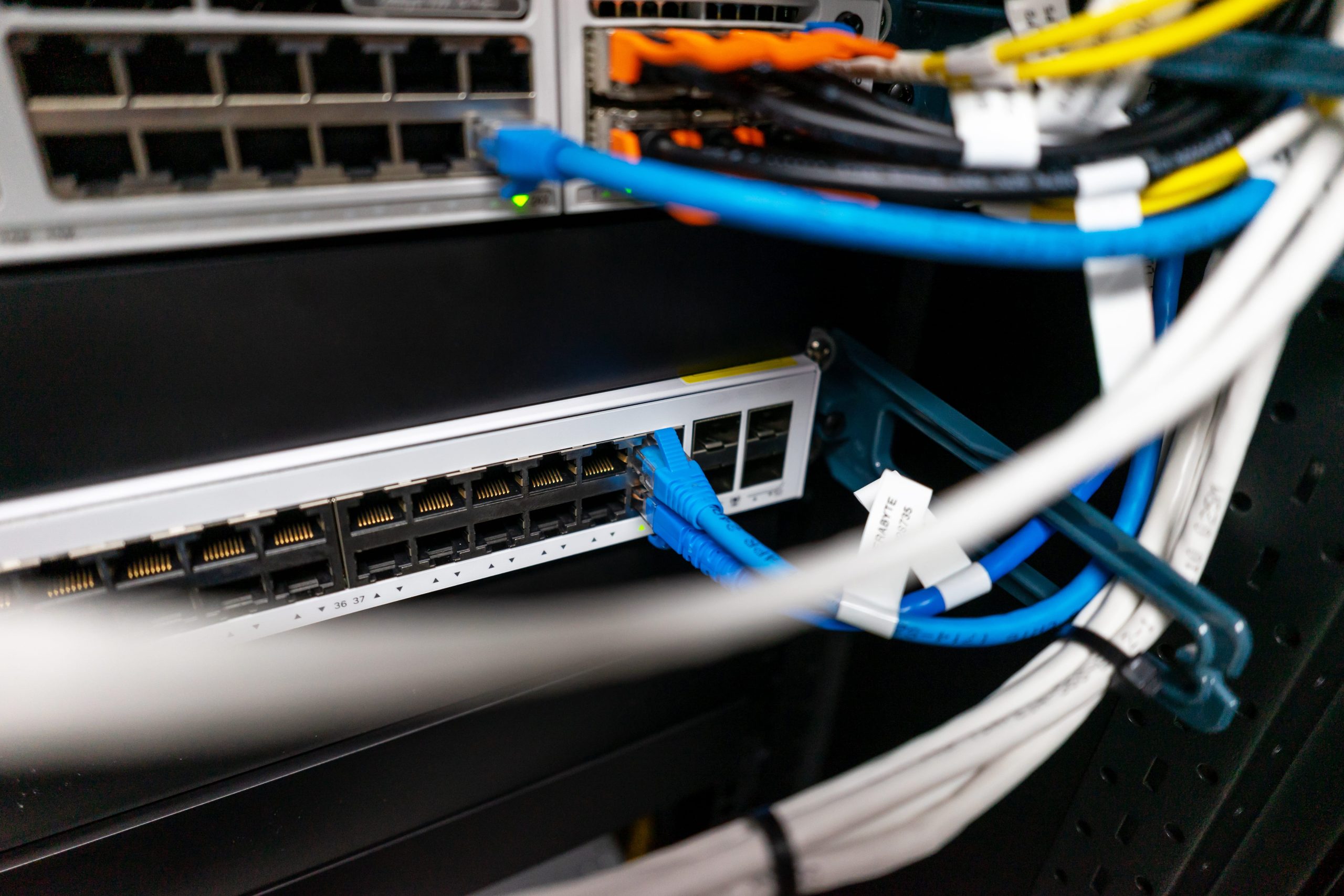
Different sites need different cabling plans
Structured cabling is useful wherever reliable communication and organised connectivity matter. In Bloemfontein and across the Free State, the right setup will look different from one site to the next.
- Office networks need practical points for staff, meeting areas and shared equipment.
- Schools may need structured connectivity across administration areas and learning spaces.
- Clinics often rely on organised access for reception teams and staff systems.
- Retail environments may need network points for payment areas and back-office operations.
- Business parks can require careful planning where shared site infrastructure is involved.
The design should always follow the property and the people using it. A compact office, a busy commercial site and a multi-tenant building should not be treated as if they have identical connectivity requirements.
When to request a network assessment
A network assessment is useful before making major changes to your workplace connectivity. Consider one before moving premises, renovating an office, adding users or upgrading key network equipment.
It is also a practical step if your cabinet is difficult to understand, your patching has become messy, or recurring connection issues are affecting daily work. The purpose is not to assume the answer before inspection. It is to understand the site infrastructure and recommend the next step based on what is actually found.
LAN Systems is based in Bloemfontein, with its office in Westdene, and provides network services, network installation and business network solutions. Our team can assess your network needs and recommend a solution designed around your business or property.
Frequently asked questions
How do I know if cabling is causing my network problem?
You cannot confirm this properly without checking the network environment. Cabling may be part of the issue if problems happen at specific points, if the cabinet is disorganised or if cables are not labelled. A professional assessment can separate cabling concerns from equipment, Wi-Fi, internet service or user demand.
Is structured cabling only for large offices?
No. Smaller businesses can also benefit from organised cabling, especially where teams rely on connected systems and shared devices. The scale of the installation should match the property, the users and the likely future requirements.
Should my business choose CAT6, CAT6A or fibre optic cabling?
The right option depends on the site layout, equipment, performance needs and future plans. CAT6 and CAT6A may suit many business network points, while fibre optic cabling may be considered for backbones or longer links where appropriate. A site review should guide the recommendation.
When should a business upgrade its cabling?
Consider an upgrade when the office layout changes, more users are added, the cabinet becomes difficult to manage or old infrastructure no longer matches the way the business operates. An assessment will show whether a full upgrade is needed or whether targeted improvements are enough.
Discuss your business network cabling with LAN Systems
If your business is dealing with slow connections, messy patching or an office network upgrade in Bloemfontein, LAN Systems can help you take a practical next step. Our skilled professionals can review your network cabling for businesses, assess the site infrastructure and recommend tailored solutions based on your property, users and connectivity requirements.
Contact LAN Systems to discuss your network project and plan cabling infrastructure that supports reliable communication, seamless connectivity and long-term business growth. For broader ICT standards context, BICSI standards provide a useful industry reference point.
Contact LAN Systems
