Solar Panels in Bloemfontein – Save Energy & Cut Costs
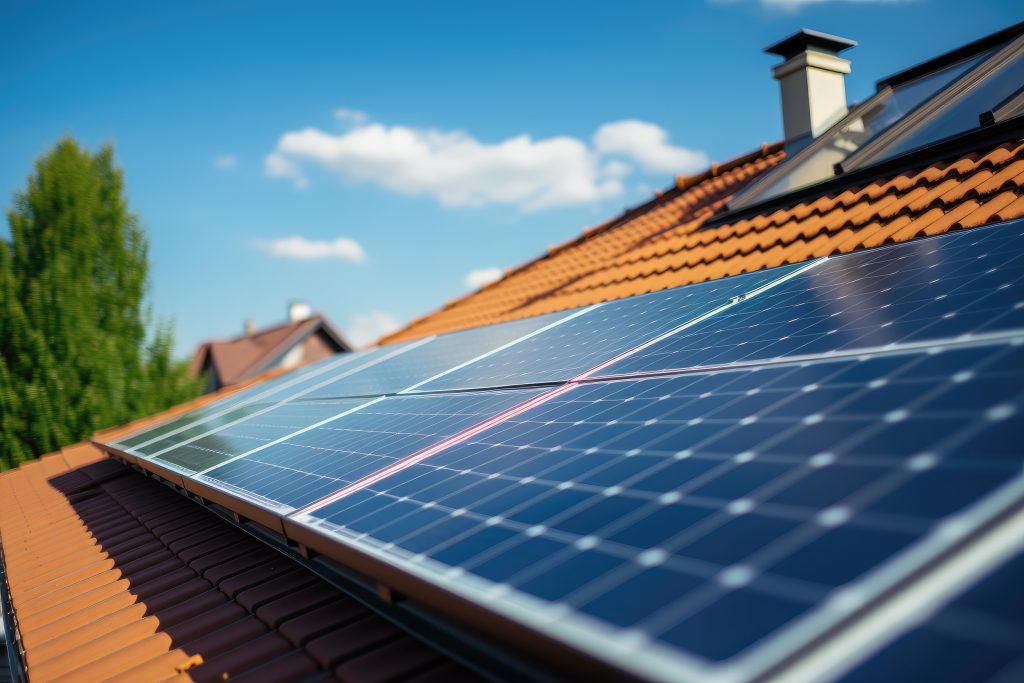
Why Solar Panels in Bloemfontein Are More Than Just a Backup Plan Understanding the Growing Need for Solar Panels in Bloemfontein Bloemfontein, like many parts of South Africa, continues to face the challenge of energy uncertainty. Frequent load shedding, rising electricity tariffs, and an ageing national grid have prompted homeowners and businesses to explore reliable alternatives. As a result, solar panels in Bloemfontein have moved beyond being a luxury and are now regarded as a practical necessity for those seeking stability and savings. The increasing shift towards renewable energy in the city is not only a reflection of necessity but also a sign of progress. As technology becomes more accessible and efficient, solar energy offers Bloemfontein residents a way to take control of their energy future, reduce dependence on the grid, and make long-term investments in sustainability. How Solar Panels in Bloemfontein Work Solar panels in Bloemfontein operate by converting sunlight into electricity using photovoltaic (PV) cells. Once installed on rooftops or open land, these panels capture the sun’s energy and transfer it through inverters, which convert it into usable electricity for homes and businesses. In Bloemfontein’s sunny climate, solar panels perform particularly well, producing a consistent energy yield throughout the year. Many systems now include battery storage to preserve excess power generated during the day, making it available at night or during outages. This storage capacity is essential in areas affected by irregular power supply. With the addition of modern monitoring systems, residents and business owners can also track energy usage, generation, and savings in real time. These features make solar panels in Bloemfontein a highly efficient and transparent solution for energy management. Top Benefits of Installing Solar Panels in Bloemfontein The adoption of solar panels in Bloemfontein comes with a range of practical and financial benefits. Chief among these is cost reduction. Once installed, solar systems dramatically reduce reliance on electricity from the national grid, resulting in lower monthly bills. Over time, the system pays for itself through savings, making it a sound long-term investment. Another major advantage is energy independence. Solar panels in Bloemfontein allow users to maintain access to electricity even during load shedding or power failures. This is particularly valuable for businesses that rely on continuous power to operate effectively. Environmental impact is also a key motivator. Solar energy is clean, renewable, and does not emit greenhouse gases. By installing solar panels in Bloemfontein, users contribute to a reduction in fossil fuel dependency, making a direct impact on the region’s carbon footprint. Choosing the Right Solar Panels in Bloemfontein for Your Property Not all solar systems are created equal. Choosing the right solar panels in Bloemfontein involves understanding a few key variables: energy needs, roof orientation, available sunlight, and budget. It’s essential to consult with a qualified solar provider to ensure the selected system suits the specific requirements of the site. Some properties may benefit from grid-tied systems, which are connected to the municipal power grid and allow users to draw power when solar is not available. Others might opt for hybrid or off-grid solutions, particularly in areas where grid access is unstable or limited. In Bloemfontein, system size and inverter compatibility are equally important considerations. A larger household or commercial operation will require a more powerful setup to meet demand, while smaller homes can often achieve energy self-sufficiency with compact systems. LAN Systems Address 3A Arboretum Avenue, Westdene, Bloemfontein, 9301 info@lansystems.co.za +27 51 430 1417 LAN Systems Location Get in Touch with LAN Systems Common Myths About Solar Panels in Bloemfontein Despite the growing popularity of solar panels in Bloemfontein, several myths persist that can deter potential adopters. One common misconception is that solar panels are ineffective during cloudy weather. In reality, panels continue to generate electricity even on overcast days, although at reduced efficiency. Another frequent myth is that solar systems are too expensive. While the upfront cost may seem high, financing options, rebates, and government incentives are available to make installation more accessible. The long-term financial return typically outweighs the initial investment. Some also believe solar panel maintenance is burdensome. In fact, most systems require minimal upkeep. Occasional cleaning and routine inspections are generally sufficient to maintain optimal performance. The Role of Inverters and Storage in Solar Panels in Bloemfontein Solar panels generate direct current (DC) electricity, but most homes and appliances use alternating current (AC). Inverters are responsible for converting DC to AC, making them a vital part of any solar energy system. In Bloemfontein, where grid instability is a pressing concern, inverters also help regulate energy flow and battery storage. When paired with backup batteries, they allow users to store energy for use during blackouts or overnight. For this reason, many residents choose hybrid systems that include both solar panels and inverter-battery setups. This combination ensures greater resilience and reliability—key priorities for homeowners and businesses navigating South Africa’s energy landscape. Commercial Use of Solar Panels in Bloemfontein While homeowners have embraced solar technology, commercial installations are also on the rise. Businesses across Bloemfontein are investing in solar panels to protect operations from power cuts, reduce long-term energy costs, and demonstrate environmental responsibility to clients and partners. Office buildings, factories, farms, and retail centres can all benefit from tailored commercial solar systems. These setups are designed to meet high power demands and can scale to support growing operational needs. As load shedding and energy inflation continue to affect businesses, solar panels in Bloemfontein offer a much-needed solution to rising operational risks. Additionally, commercial installations often qualify for tax benefits and rebates, making them even more appealing to forward-thinking enterprises. What to Expect During a Solar Panels Installation in Bloemfontein Installing solar panels in Bloemfontein involves several key steps. First, a site assessment is conducted to evaluate roof space, shading, and structural suitability. Next, the system is designed based on energy requirements and usage patterns. Once the design is approved, professional technicians install the panels, inverters, and, if needed, storage batteries. All components are tested and configured to ensure full compliance
How Much Does a 5kW Solar System Cost in South Africa?
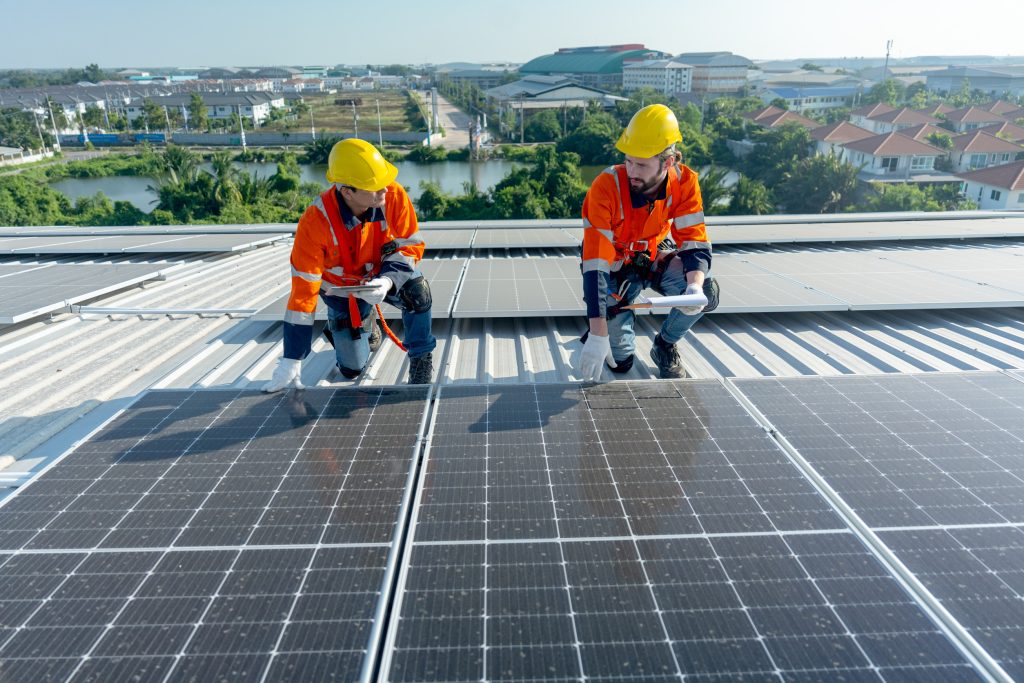
How Much Does a 5kW Solar System Cost in South Africa? Understanding the 5kW Solar System Price in Bloemfontein For South Africans looking to reduce energy costs and navigate load shedding, a 5kW solar system offers a practical entry point. The 5kW solar system price in Bloemfontein generally ranges from R85,000 to R130,000, depending on the type of inverter, battery storage capacity, and installation complexity. These prices typically include the solar panels, inverter, mounting systems, and basic wiring. The 5kW system is popular for medium-sized households or small businesses, offering an average of 20kWh of electricity per day in optimal conditions. It’s important to note that pricing may vary between urban and rural areas due to logistics and installation access. Understanding this cost helps consumers compare suppliers and determine whether to opt for a grid-tied, hybrid, or fully off-grid setup. Home Solar System Installation Cost: What to Expect When budgeting for a home energy upgrade, home solar system installation cost is a crucial factor. For a 5kW system, installation costs in South Africa range from R10,000 to R25,000, depending on roof type, structural support, and integration complexity with existing electrical systems. Flat roofs may require tilted mounting structures, increasing labour and material expenses. Complex electrical boards or the need to rewire circuits also add to the overall installation fee. Installers in Bloemfontein may also include municipal inspection or compliance fees in their pricing. Professional installation ensures system longevity, safety, and compliance with South African National Standards (SANS), so it’s worth investing in a reputable service provider rather than the cheapest quote. Using a Solar Panel Cost Calculator in South Africa A solar panel cost calculator South Africa tool allows homeowners to estimate the total price of solar installation based on location, usage patterns, and energy needs. These online calculators factor in average sunshine hours, roof orientation, and electricity tariffs. For a 5kW system, calculators often project energy savings of R2,500 to R3,500 per month, depending on Eskom tariffs and household consumption. This helps consumers determine how quickly they can recover their investment through energy savings. It also allows users to explore options like adding batteries, using premium panels, or integrating smart monitoring tools. Accurate calculations give clarity on what the final quote may look like and how to align system size with actual consumption. Residential Solar System Pricing Explained Residential solar system pricing varies widely based on technology choices, storage needs, and usage habits. For a typical 5kW setup in South Africa, expect: Panels: R45,000–R65,000 (6–8 panels) Inverter: R12,000–R25,000 Battery (optional): R20,000–R60,000 Installation: R10,000–R25,000 This brings the total estimated cost to between R85,000 and R130,000, depending on equipment and battery inclusion. Lithium batteries are more expensive but offer a longer lifespan and better efficiency compared to lead-acid alternatives. Custom configurations, such as adding extra panels or combining different battery chemistries, can also affect the price. Local suppliers in Bloemfontein may offer package deals that reduce costs when purchasing all components from one vendor. Exploring Solar Inverter Battery Package Deals Many vendors now offer solar inverter battery package deals that combine essential components at discounted prices. These bundles often include a hybrid inverter, lithium-ion battery, and supporting hardware. For a 5kW system, such packages range from R90,000 to R145,000, depending on brand quality, storage size, and additional smart features. For example: 5kW Growatt inverter + 5.1kWh lithium battery: R95,000 (installed) Victron 5kVA inverter + 10kWh Freedom Won battery: R135,000 (installed) These deals simplify purchasing decisions and ensure compatibility across components. They also reduce installation time since bundled systems are typically pre-configured. Buyers should ensure all components meet SABS standards and are supported by warranties. A package deal should not sacrifice quality for convenience. Load Shedding Solar Solution Costs in South Africa Load shedding solar solution costs vary depending on the extent of backup needed. For partial backup during Stage 4 load shedding, a 5kW inverter with a 5kWh battery may suffice, costing around R90,000 to R110,000. However, full-load backup systems with large battery banks (10kWh or more) can push prices up to R160,000, especially when high-capacity inverters and advanced battery management systems are used. Many households in Bloemfontein opt for hybrid systems that supplement Eskom power and provide solar storage for outages. These setups offer seamless transition between solar, battery, and grid power, reducing disruptions. Calculating how much backup capacity is required will help determine the most cost-effective system for handling local load shedding schedules. LAN Systems Address 3A Arboretum Avenue, Westdene, Bloemfontein, 9301 info@lansystems.co.za +27 51 430 1417 LAN Systems Location Get in Touch with LAN Systems Frequently Asked Questions How much electricity does a 5kW solar system produce daily? A 5kW solar system can produce approximately 18–25kWh of electricity per day, depending on location, weather conditions, and the angle of solar panel installation. In Bloemfontein, with its favourable sunlight hours, users can expect output closer to the higher end of this range. This is typically enough to power household appliances such as refrigerators, lighting, washing machines, and televisions. Systems with batteries can store excess power for night-time use or outages, offering better energy independence. The total yield depends on regular panel cleaning, no shading, and efficient system configuration. Is a 5kW solar system enough for a full household? Yes, a 5kW solar system is suitable for a medium-sized household with moderate energy usage. It supports daily activities including cooking, laundry, device charging, and entertainment systems. When paired with a solar inverter battery package deal, it can also provide backup during outages. However, high-consumption households with electric geysers or pool pumps may require larger systems or usage adjustments. Monitoring tools can help track consumption and identify if expansion is needed in future. How long does it take to recover the cost of a 5kW solar system? The payback period for a 5kW solar system in South Africa typically ranges between 4 to 7 years, depending on usage and electricity tariffs. With monthly savings of R2,500 to R3,500, many homeowners start seeing ROI from year 5 onward. Tax incentives, rising
Commercial Solar Installation Benefits for South African Businesses
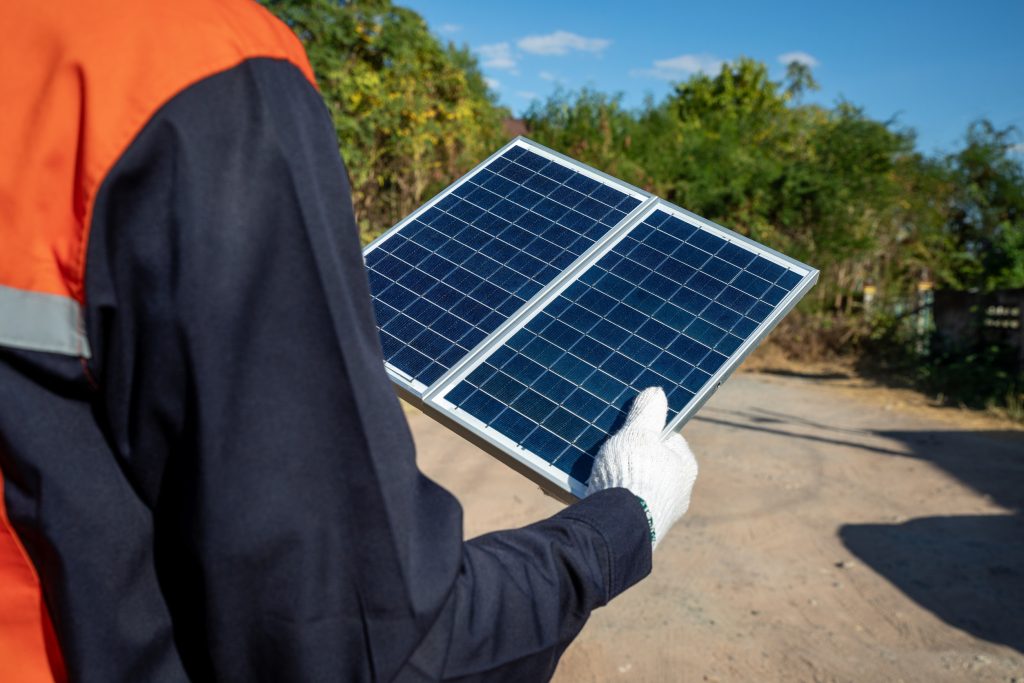
Commercial Solar Installation Benefits for South African Businesses Understanding the Value of Business Solar Energy Solutions As the cost of electricity continues to rise and load shedding disrupts operations, South African enterprises are increasingly turning to business solar energy solutions. A well-planned solar installation reduces energy bills, enhances reliability, and contributes to environmental sustainability. From factories and farms to office parks and shopping centres, companies of all sizes are reaping the rewards of solar energy adoption. These systems can be tailored to suit specific energy demands, providing a scalable and sustainable power source that future-proofs operations. Key Commercial Solar Panel Benefits for Growing Enterprises Among the most notable commercial solar panel benefits are significant long-term savings and energy independence. Solar power reduces dependency on Eskom, offering consistent power during peak load shedding periods. Solar panels have a lifespan of 25 years or more, and with minimal maintenance, they consistently generate free electricity once installed. This results in direct operational cost savings, increased energy security, and improved ESG (Environmental, Social, Governance) compliance. Other benefits include brand perception improvements, property value appreciation, and eligibility for various government rebates and incentives. Industrial Solar Systems in the Free State: A Strategic Investment The Free State is one of South Africa’s sunniest provinces, making it ideal for industrial solar systems. With consistent solar radiation and rising grid unreliability, manufacturing and agricultural businesses are increasingly turning to solar for backup and baseline power. Industrial solar systems Free State installations are designed to meet large-scale energy demands. These systems often include battery storage, grid-tied configurations, and advanced energy monitoring tools. For industrial clients in Bloemfontein and surrounding regions, these systems enhance operational resilience, particularly in critical processes that cannot afford downtime. Additionally, local availability of expert installers ensures quicker deployment and compliance with regional energy regulations. How Solar Tax Incentives (Section 12B) Improve ROI One of the most attractive financial advantages of commercial solar installations in South Africa is the solar tax incentives Section 12B. Under this policy, businesses can deduct the full cost of qualifying solar energy equipment from their taxable income in the first year. This significantly shortens the return-on-investment period and makes solar adoption more accessible for small to medium enterprises. By leveraging this incentive, businesses can save up to 28% on installation costs, depending on their corporate tax bracket. Section 12B covers photovoltaic panels, inverters, batteries, and related infrastructure. Always consult a tax professional to ensure correct application and documentation when claiming this benefit. Effective Commercial Load Shedding Solutions for Power Security South Africa’s frequent blackouts continue to impact productivity and profitability. Fortunately, commercial load shedding solutions like hybrid and off-grid solar systems offer dependable alternatives. Hybrid systems automatically switch to battery power during outages, while off-grid systems run independently from Eskom. With proper sizing and battery backup, businesses can maintain uninterrupted operations regardless of external grid issues. These solutions are scalable, allowing businesses to expand storage or solar generation as their energy needs grow. For commercial sites in Bloemfontein, pairing solar with energy-efficient devices further enhances performance during periods of reduced power availability. LAN Systems Address 3A Arboretum Avenue, Westdene, Bloemfontein, 9301 info@lansystems.co.za +27 51 430 1417 LAN Systems Location Get in Touch with LAN Systems Business Energy Cost Reduction Through Solar Power A major motivator for solar adoption is business energy cost reduction. With grid tariffs climbing annually, solar systems help businesses stabilise their electricity expenses and forecast long-term operational budgets more accurately. After the initial investment, the energy produced is essentially free. When combined with net metering or feed-in tariffs (where available), excess energy can be sold back to the grid, further improving cash flow. Solar also reduces demand charges, which are often calculated based on a business’s peak usage. By offsetting this with solar generation, companies can achieve lower overall utility bills and increased financial resilience. Commercial Solar Installation in Bloemfontein: Localised Benefits A tailored commercial solar installation Bloemfontein project considers local climate, municipal regulations, and grid capacity. LAN Systems offers localised engineering and installation expertise to ensure each system is designed for maximum efficiency and compliance. The Free State’s solar-friendly conditions enable strong daily energy production, while local technicians ensure responsive maintenance and quick deployment. LAN Systems partners with property developers, landlords, and facility managers to integrate solar from the ground up, whether for retrofit or new builds. By working with local installers, businesses benefit from better pricing, faster project timelines, and long-term service agreements with providers that understand regional infrastructure. Frequently Asked Questions about Commercial Solar Installation Benefits What are the long-term financial benefits of commercial solar installation? The primary long-term benefit is significant energy savings. Businesses with solar systems typically recover their investment within 4 to 7 years. Beyond that, the system continues to generate free electricity for 15 to 20 years, drastically reducing operational costs. Additional savings come from reduced downtime during load shedding and from government tax incentives like Section 12B. Some companies also earn additional revenue by feeding surplus energy back into the grid (where permitted). Solar systems can also increase the value of commercial properties and support financing opportunities through green lending programmes. How do business solar energy solutions improve energy reliability? Business solar energy solutions use solar panels paired with batteries or hybrid inverters to create a stable and consistent power supply. These systems automatically shift to battery storage during grid outages, maintaining continuity across essential operations. In commercial settings, this reliability is critical to prevent data loss, equipment failure, and reduced productivity. Businesses also benefit from reduced peak-time tariffs by using solar power during the most expensive hours. Solar systems are designed to adapt to energy demand, so businesses experience smoother and more predictable operations year-round. Are commercial solar panel benefits worth the investment? Yes. Commercial solar panel benefits go beyond just financial savings. They also include energy security, reduced environmental impact, brand enhancement, and operational stability. The ROI improves when businesses take advantage of tax incentives and declining solar equipment costs. Panels require minimal maintenance and come with
Commercial Solar: Powering the Future of South African Business
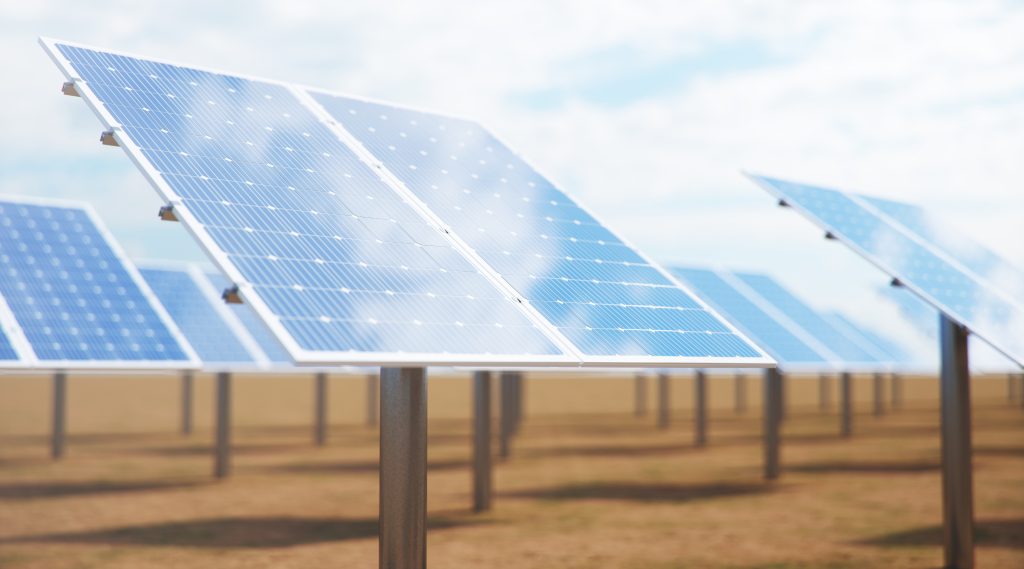
Commercial Solar: Powering the Future of South African Business Introduction to Solar Power Solutions in South Africa With energy demands surging and the national grid under increasing strain, more South Africans are turning to renewable energy. Among the most accessible and efficient alternatives is solar power. Solar power solutions in South Africa have evolved from niche installations to mainstream necessities, offering households and businesses a reliable, sustainable, and cost-effective way to take control of their energy future. Understanding the Growth of Solar Energy Trends in South Africa Why Commercial Solar Is Essential for Modern Businesses In an era of escalating energy costs and grid instability, commercial solar has emerged as a strategic necessity for businesses in South Africa. By investing in commercial solar systems, companies can secure a consistent, sustainable, and cost-effective energy supply. Commercial solar offers benefits beyond energy savings. It positions businesses as environmentally responsible, aligns with ESG (Environmental, Social, and Governance) goals, and protects against the unpredictability of load shedding. How Commercial Solar Systems Work Commercial solar systems are designed to meet the higher energy demands of businesses, manufacturing facilities, and commercial properties. These systems include large-scale photovoltaic (PV) panels, inverters, and optional battery storage solutions. Solar panels capture sunlight and convert it into electricity. Inverters transform this into usable alternating current (AC) power. Batteries can store surplus energy for peak usage times or during grid failures. Monitoring systems provide detailed analytics on consumption, generation, and system health. With commercial solar, businesses can offset daytime energy use, store excess power, and significantly reduce monthly utility bills. Financial Advantages of Commercial Solar Investment The financial rationale for commercial solar is clear. Though the upfront cost may be substantial, the long-term savings and stability are invaluable. Benefits of investing in commercial solar include: Reduced operating expenses Protection from escalating utility tariffs Tax incentives and government rebates (when available) Improved asset value for commercial properties Return on investment can be realised in as little as 3–5 years, depending on system size and energy usage patterns. Additionally, power purchase agreements (PPAs) and leasing options have made commercial solar more accessible than ever. LAN Systems Address 3A Arboretum Avenue, Westdene, Bloemfontein, 9301 info@lansystems.co.za +27 51 430 1417 LAN Systems Location Get in Touch with LAN Systems Environmental Benefits of Commercial Solar Solutions Environmental sustainability is a critical factor for companies today. Commercial solar systems significantly reduce carbon emissions and dependence on fossil fuels. By switching to commercial solar, businesses contribute to: Cleaner air and reduced greenhouse gases Conservation of finite natural resources A broader transition to a low-carbon economy These environmental benefits not only enhance corporate responsibility but also appeal to eco-conscious clients, investors, and partners. Tailoring Commercial Solar Systems to Business Needs Every business has unique energy requirements. Commercial solar solutions can be tailored to fit diverse sectors such as retail, hospitality, logistics, education, and manufacturing. LAN Systems conducts in-depth energy audits to assess: Current electricity usage and peak demand times Roof and land space for panel installation Potential for battery storage and hybrid systems Future growth projections Customisation ensures that commercial solar systems deliver optimal performance and scalability. How Commercial Solar Tackles Load Shedding Load shedding disrupts business operations, leading to lost productivity and reduced revenue. Commercial solar provides a reliable solution to this widespread problem. By generating and storing their own power, businesses can maintain critical operations during outages. With intelligent energy management, systems can prioritise essential loads to extend runtime and avoid downtime. LAN Systems’ commercial solar packages offer seamless integration with backup power, ensuring uninterrupted operations and business continuity. Components of a Commercial Solar Installation A typical commercial solar system includes: High-capacity solar panels designed for durability and efficiency Grid-tied or hybrid inverters Lithium-ion battery banks (optional) Mounting structures suited for large rooftops or ground installations Real-time monitoring platforms These components are selected based on the size of the business, energy goals, and site conditions. LAN Systems ensures each installation is compliant with safety and performance standards. The Commercial Solar Installation Process LAN Systems follows a meticulous process for commercial solar deployment: Consultation and Audit: Understanding energy goals and evaluating site feasibility. System Design: Engineering a customised system to maximise output. Installation: Executed by experienced professionals adhering to regulatory guidelines. Testing and Commissioning: Ensuring all systems are fully operational. Ongoing Support: Providing system monitoring, maintenance, and performance insights. This approach ensures a smooth transition to commercial solar with minimal operational disruption. Monitoring and Maintaining Commercial Solar Systems Monitoring is essential to extract maximum value from commercial solar systems. Real-time analytics help identify inefficiencies, detect faults, and track savings. LAN Systems provides clients with: User-friendly dashboards for performance tracking Alerts for system anomalies Scheduled maintenance and inspections Technical support from solar experts This proactive service model ensures long-term system reliability and optimal ROI. Commercial Solar for SMEs vs. Large Enterprises While large enterprises may opt for expansive solar farms or multi-rooftop systems, SMEs also benefit greatly from commercial solar. LAN Systems offers scalable solutions for: Small offices and storefronts Warehouses and logistics hubs Multi-unit retail centres Whether a business consumes 5 kW or 500 kW, commercial solar can be sized and structured to meet its unique needs. Frequently Asked Questions About Commercial Solar Q: How long does it take to recover the cost of a commercial solar system?A: Most businesses see full ROI within 3 to 5 years, thanks to energy savings and reduced operational costs. Factors like energy rates, system size, and available sunlight affect the exact timeline. Q: Can commercial solar systems operate at night?A: Solar panels do not generate electricity at night, but with battery storage, excess daytime energy can be stored and used after dark. This ensures uninterrupted power even when the sun isn’t shining. Q: Are commercial solar installations disruptive to business operations?A: Not at all. LAN Systems schedules installations during off-peak hours and works efficiently to minimise impact. The process is managed by professionals to ensure safety and continuity. Q: Is it possible to expand a commercial solar system later?A: Yes.
Why Home Solar is the Future of Energy in South Africa
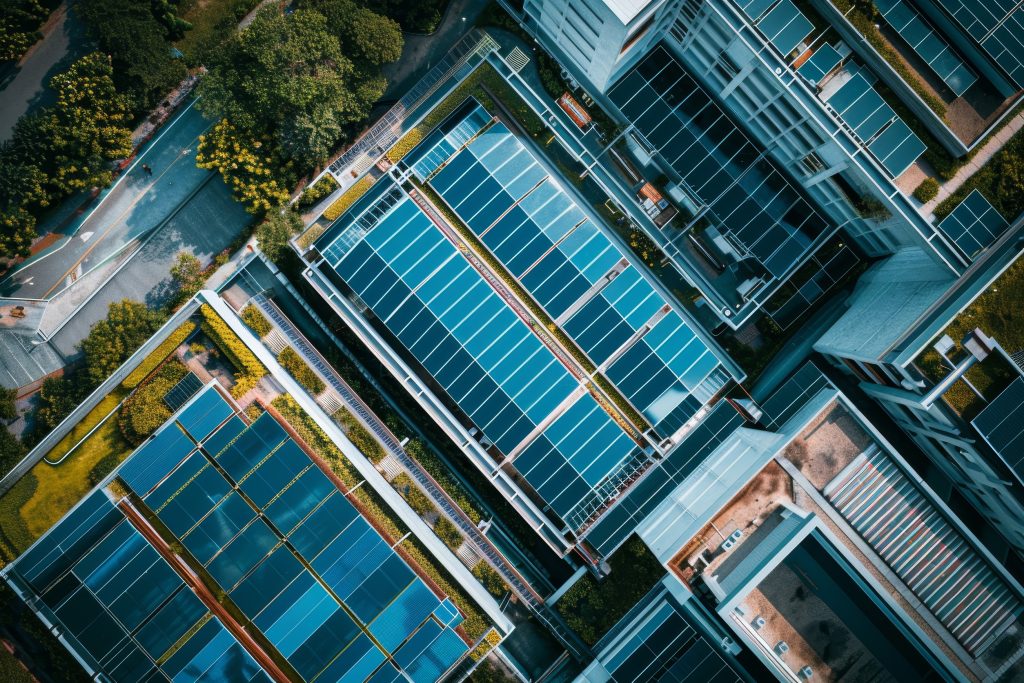
Why Home Solar is the Future of Energy in South Africa Understanding the Importance of Home Solar for Households South Africa is experiencing growing energy instability, frequent load shedding, and rising electricity tariffs. In response, more households are turning to home solar as a long-term energy solution. Home solar systems not only provide reliable power but also offer financial and environmental benefits that make them a smart investment. With advancements in solar technology and decreasing costs, home solar systems have become accessible to the average homeowner. These systems can be tailored to meet individual household energy needs, offering flexibility, independence, and peace of mind. How Home Solar Systems Work to Power Residences Home solar systems operate by converting sunlight into electricity through photovoltaic (PV) panels, typically mounted on rooftops. The electricity generated is either used immediately, stored in batteries for later use, or fed back into the municipal grid if allowed by local regulations. Key components of a home solar system include: Solar panels: Capture sunlight and convert it into direct current (DC) electricity. Inverter: Converts DC electricity into alternating current (AC) for household use. Battery storage (optional): Stores excess electricity for use during evenings or power outages. Monitoring system: Tracks energy production and consumption in real-time. By understanding how home solar systems function, homeowners can make informed decisions about system design, capacity, and installation options. Financial Advantages of Switching to Home Solar One of the primary motivations for adopting home solar is the potential for long-term cost savings. While the initial investment can seem significant, the return on investment (ROI) is substantial over time. Here’s how home solar contributes to financial efficiency: Lower monthly electricity bills Protection against future tariff increases Government incentives and rebates (where available) Increased property value due to energy-efficient infrastructure Moreover, many solar providers now offer flexible financing and leasing options, making home solar systems more accessible to a broader demographic. LAN Systems Address 3A Arboretum Avenue, Westdene, Bloemfontein, 9301 info@lansystems.co.za +27 51 430 1417 LAN Systems Location Get in Touch with LAN Systems Environmental Impact of Home Solar Solutions Beyond the financial benefits, home solar plays a vital role in promoting environmental sustainability. By generating clean, renewable energy, households reduce their carbon footprint and contribute to a greener planet. Home solar systems: Help lower greenhouse gas emissions Reduce dependency on fossil fuels Minimise the environmental degradation caused by coal-fired power plants Switching to home solar is not just a personal gain—it’s a commitment to global environmental responsibility. Key Considerations Before Installing Home Solar Before investing in a home solar system, homeowners should evaluate several critical factors: Roof orientation and shading: Optimal solar exposure requires unshaded, north-facing roofs. Household energy consumption: Analysing energy usage helps determine the appropriate system size. Budget and financing: Exploring upfront costs, maintenance, and payment options ensures financial clarity. Installer credentials: Choose certified, experienced installers with a solid track record. LAN Systems offers energy audits to help clients assess their suitability for home solar and design systems that align with their energy goals. Technology Behind LAN Systems’ Home Solar Installations LAN Systems integrates high-efficiency solar panels with smart inverters and modular battery storage in their home solar installations. These systems are supported by remote monitoring tools that allow users to track and manage energy usage from their mobile devices. Their home solar solutions feature: Tier-1 rated solar panels for durability and performance Smart hybrid inverters with grid-synchronisation capability Lithium-ion batteries offering rapid charge/discharge cycles Weather-resistant mounting structures By combining reliability with innovation, LAN Systems ensures that homeowners receive a top-tier home solar experience. The Role of Battery Storage in Home Solar Systems Battery storage is a critical component of home solar systems, especially in regions affected by load shedding. It allows households to store surplus energy during the day and use it at night or during outages. Benefits of battery storage in home solar systems include: Uninterrupted power during blackouts Maximised self-consumption of solar energy Greater energy independence from the grid While not mandatory, battery integration significantly enhances the utility and reliability of home solar systems. Home Solar Installation Process with LAN Systems LAN Systems follows a streamlined and professional approach to home solar installation. The process includes: Initial Consultation: Assessing household energy needs and site suitability. System Design: Customising the solar system based on client requirements. Installation: Professional setup by certified technicians. Commissioning & Testing: Ensuring all components function optimally. Monitoring & Support: Providing real-time data and responsive customer service. This structured approach guarantees customer satisfaction and long-term performance. Home Solar and Load Shedding: A Practical Solution Load shedding has become a persistent issue in South Africa, disrupting daily routines and threatening home security. Home solar systems present a proactive solution by offering an independent energy source that keeps lights, appliances, and security systems operational during outages. With integrated battery storage, LAN Systems’ home solar setups ensure a consistent power supply when the grid goes down, helping households maintain comfort and safety. Customising Home Solar Solutions for Diverse Households No two households are the same. LAN Systems customises home solar systems to reflect the energy profiles, budgets, and usage patterns of different families. Whether it’s a compact two-bedroom home or a large multi-storey residence, the company ensures the solar setup is the right fit. Clients can choose from various system capacities, battery configurations, and smart features to tailor their home solar experience. This flexibility allows homeowners to scale their system as their needs evolve. Frequently Asked Questions About Home Solar Q: How long does it take to install a home solar system?A: The installation of a home solar system typically takes between one and three days. The duration depends on the size of the system, the layout of the property, and weather conditions. A straightforward installation on a single-storey home may be quicker, whereas complex roof structures or larger systems may take longer. LAN Systems ensures each installation is carried out efficiently by experienced technicians to minimise disruption. Q: What is the lifespan of a home solar system?A: A
Solar Power Solutions South Africa: Powering a Brighter Future Nationwide
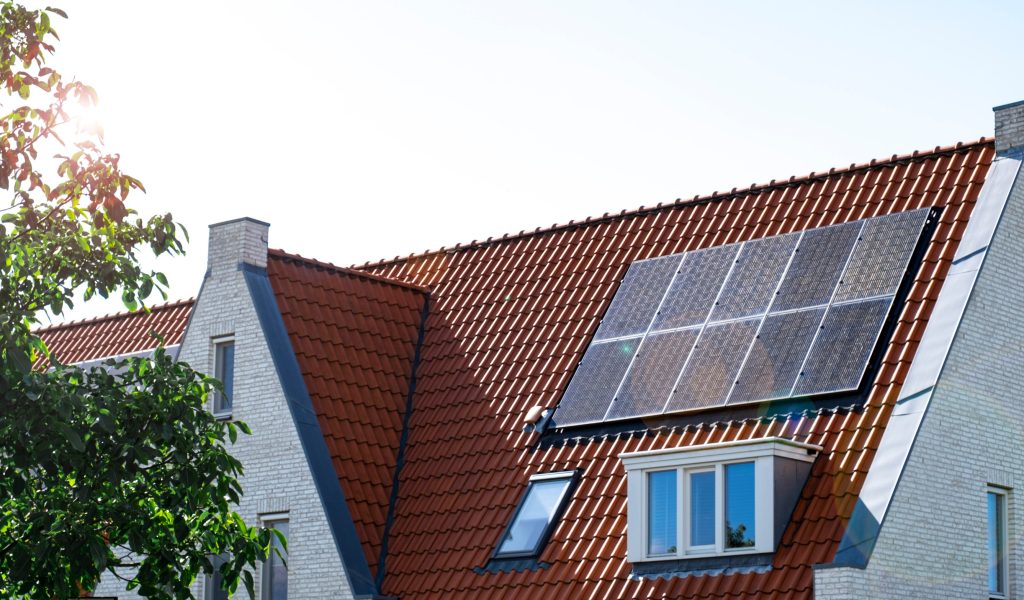
Solar Power Solutions South Africa: Powering a Brighter Future Nationwide Introduction to Solar Power Solutions in South Africa With energy demands surging and the national grid under increasing strain, more South Africans are turning to renewable energy. Among the most accessible and efficient alternatives is solar power. Solar power solutions in South Africa have evolved from niche installations to mainstream necessities, offering households and businesses a reliable, sustainable, and cost-effective way to take control of their energy future. Understanding the Growth of Solar Energy Trends in South Africa The nation is witnessing a remarkable shift towards renewable energy. From rural households to large corporations, the appetite for solar is undeniable. Recent reports highlight a surge in residential and commercial solar uptake, signalling a broader trend of decentralised energy production. These solar energy trends in South Africa reflect growing consumer awareness, technological advancement, and favourable government policies aimed at promoting green energy adoption. Driving Forces Behind Solar Energy Trends in South Africa: Escalating electricity prices and rolling blackouts Increased affordability of solar equipment Government incentives and rebates Desire for energy independence and sustainability LAN Systems Address 3A Arboretum Avenue, Westdene, Bloemfontein, 9301 info@lansystems.co.za +27 51 430 1417 LAN Systems Location Get in Touch with LAN Systems Exploring Solar Backup Solutions in SA for Load Shedding Resilience As power outages continue to affect households and businesses, solar backup solutions SA are gaining popularity. These systems typically include solar panels, inverters, and batteries, designed to keep essential devices and systems running during blackouts. Whether you’re protecting your home Wi-Fi or a commercial refrigeration unit, a solar backup system ensures seamless energy continuity. What Makes a Great Solar Backup System? High-capacity lithium-ion batteries Hybrid inverters for multi-source integration Smart energy management software Scalable storage for future needs Top Solar Brands in South Africa: Quality That Lasts Choosing the right equipment is vital for the longevity and efficiency of your system. The top solar brands in South Africa are known for their durability, performance warranties, and innovation. Partnering with reputable manufacturers ensures peace of mind and long-term savings. Recommended Solar Brands in SA: JA Solar: High-efficiency panels suitable for residential and commercial use Canadian Solar: Trusted globally for robust energy output Fronius and SMA: Industry-leading inverters BYD and Freedom Won: Premier battery storage manufacturers Inverter Installation Free State: Ensuring Seamless Energy Conversion A critical element of any solar setup is the inverter. Responsible for converting solar-generated DC into AC usable by household devices, inverters are the backbone of your energy system. Inverter installation Free State services ensure professional integration and optimal configuration of your system. Why Inverter Quality Matters: Enhances overall system efficiency Supports smart load management Monitors real-time energy production and usage The Rise of Hybrid Solar Systems in South Africa One of the most exciting developments in the sector is the increasing adoption of hybrid solar systems in South Africa. These systems combine the reliability of grid power with the autonomy of battery storage, making them ideal for urban and semi-rural users alike. Hybrid configurations allow users to consume solar energy during the day, store excess for later, and use the grid only when absolutely necessary. Key Benefits of Hybrid Systems: Versatility across usage patterns Backup energy for load shedding Long-term financial savings Easy scalability Maximising Storage with Solar Battery Storage Bloemfontein In the heart of the Free State, homeowners and businesses are turning to solar battery storage in Bloemfontein to ensure uninterrupted power. As solar energy is only produced during daylight, batteries are essential for night-time usage and emergency backup. Advances in storage technology mean higher capacity, quicker charging times, and longer life spans. Battery Options to Consider: Lithium-Ion: Premium performance with long life cycles Lead-Acid: Cost-effective and widely available Saltwater Batteries: Eco-friendly alternatives gaining traction Tackling Load Shedding with Proven Solutions Load shedding continues to disrupt daily life and business operations across the country. Solar solutions are widely recognised as one of the most effective load-shedding solutions. By integrating storage and smart energy controls, solar systems provide consistent, reliable power when the grid fails. Tips for Load Shedding Readiness: Prioritise critical appliances for backup Use time-based settings to optimise battery use Invest in energy monitoring tools for informed usage Green Energy Adoption in South Africa: From Trend to Transformation Sustainability is no longer just a buzzword—it’s a movement. Across South Africa, a growing number of individuals and organisations are investing in clean energy systems. Green energy adoption in South Africa is driven by both environmental responsibility and the economic benefits that solar brings. Impact of Green Energy on Society: Reduction in fossil fuel dependency Lower household and business electricity bills Improved air quality and public health Empowerment of off-grid rural communities Choosing the Right Solar Partner in South Africa Selecting a knowledgeable and experienced installer is essential for long-term success. Look for companies that provide comprehensive assessments, quality components, and after-sales support. LAN Systems, for instance, offers end-to-end solar project management across South Africa, tailored to residential and commercial clients. Qualities of a Trusted Installer: Strong local presence and testimonials Partnerships with top solar brands Transparent pricing and warranties Cost, Financing, and ROI of Solar Power Solutions South Africa Solar installations are more accessible than ever. Many institutions offer zero-deposit finance plans, flexible repayment terms, and performance guarantees. Over time, the initial investment pays off through reduced energy bills and potential feed-in tariffs. Financial Options: Cash purchase for maximum savings Green loans from partnered banks Leasing models for reduced upfront costs Government Support and Incentives for Solar Energy To accelerate the transition to renewables, the South African government has introduced various support mechanisms for individuals and businesses adopting solar energy. These include rebates, tax incentives, and exemptions from certain tariffs. Examples of Support: Section 12B tax deductions for solar investments Provincial incentives for renewable energy projects Import tax exemptions on certain equipment Integrating Smart Technology into Solar Solutions Smart systems enhance the value of solar power solutions in South Africa by allowing users to manage their energy consumption efficiently. Through
Residential Solar Solutions Free State: Empowering Homeowners with Reliable Energy

Residential Solar Solutions Free State: Empowering Homeowners with Reliable Energy Understanding Residential Solar Solutions in the Free State The energy landscape in South Africa is undergoing a dramatic shift, and nowhere is this more evident than in the Free State. As load shedding becomes more frequent and utility costs continue to climb, homeowners are seeking effective alternatives. Enter residential solar solutions Free State — a sustainable, cost-efficient way to harness clean energy and reduce dependency on the national grid. With advances in technology and increased affordability, solar power is now within reach for households across the province. Why Residential Solar Solutions Matter in the Free State The Free State, with its abundant sunshine and growing need for energy independence, is perfectly positioned for a solar revolution. Residential solar solutions not only offer relief from rising electricity prices but also provide a buffer against unreliable power supply. By installing solar panels, inverters, and storage systems, homeowners can significantly reduce their reliance on Eskom while enjoying uninterrupted energy access. LAN Systems Address 3A Arboretum Avenue, Westdene, Bloemfontein, 9301 info@lansystems.co.za +27 51 430 1417 LAN Systems Location Get in Touch with LAN Systems Off-Grid Solar Bloemfontein: Taking Control of Your Power Supply For many residents in Bloemfontein, complete energy autonomy is a top priority. Off-grid solar Bloemfontein systems allow households to disconnect from the municipal grid entirely. These setups include solar panels, charge controllers, batteries, and backup generators, enabling families to generate and store their own electricity. Not only do they eliminate monthly electricity bills, but they also offer peace of mind during blackouts and scheduled outages. Benefits of Off-Grid Solar Systems in Bloemfontein: Total independence from grid supply Protection against load shedding Long-term cost savings Reduced carbon footprint Solar Power for Homes Free State: What Are Your Options? When it comes to solar power for homes Free State, there is no one-size-fits-all solution. Homeowners can choose from grid-tied, off-grid, or hybrid solar systems depending on their energy needs, budget, and location. Grid-tied systems are connected to the municipal supply and offer net metering, while hybrid systems provide flexibility by incorporating battery storage for power backup. Key System Types of Solar Power: Grid-Tied Systems: Cost-effective; connected to utility grid Off-Grid Systems: Complete energy independence Hybrid Systems: Best of both worlds with storage and grid connectivity Energy-Saving Tips for Homeowners in the Free State Going solar is a significant step, but it’s only part of the energy-saving journey. To maximise the efficiency of your residential solar solutions Free State, homeowners should also adopt smart energy habits. Here are a few energy-saving tips for homeowners looking to reduce consumption and increase the effectiveness of their solar setup: Use LED lighting throughout your home Unplug unused electronics to prevent phantom loads Invest in energy-efficient appliances Schedule high-consumption tasks during daylight hours Monitor usage with smart meters and mobile apps Inverter Installation Free State: The Heart of Every Solar System A solar panel system is only as good as its inverter. Responsible for converting direct current (DC) from solar panels into usable alternating current (AC) for home appliances, inverters are vital. Inverter installation Free State services offered by professional installers ensure optimal energy conversion and system reliability. Homeowners are advised to choose high-efficiency, low-maintenance models with monitoring capabilities. Why Quality Inverter Installation Matters: Maximises energy conversion Enhances system longevity Provides real-time performance data Hybrid Solar Systems South Africa: Flexibility Meets Reliability Many Free State residents are turning to hybrid solar systems South Africa for their versatility and practicality. Hybrid setups combine the best features of grid-tied and off-grid systems. They include battery storage to power homes during outages, while also taking advantage of grid power when necessary. These systems are ideal for homeowners looking to future-proof their energy infrastructure. Advantages of Hybrid Solar Systems: Backup during load shedding Storage for excess solar generation Option to sell energy back to the grid Customisable to energy usage patterns Solar Battery Storage Bloemfontein: Securing Power Around the Clock One of the most essential components of modern residential solar systems is energy storage. Solar battery storage Bloemfontein solutions allow homeowners to store excess solar energy generated during the day for use at night or during power interruptions. This ensures that homes remain powered even when the sun isn’t shining. Popular Battery Technologies: Lithium-ion: Long lifespan and high efficiency Lead-acid: Cost-effective but shorter lifespan Flow batteries: Ideal for large-scale applications Load Shedding Solutions for Residential Properties in the Free State Load shedding remains one of the biggest challenges facing South African homeowners. Solar energy presents one of the most viable load shedding solutions available. With a combination of solar panels, batteries, and inverters, households can enjoy a consistent and dependable power supply even during Eskom outages. LAN Systems provides tailored solutions that address the specific needs of each household. Strategies to Overcome Load Shedding: Install solar plus battery storage systems Integrate smart load management systems Use energy-efficient appliances to reduce strain Green Energy Adoption in South Africa: A Homeowner’s Perspective Green energy adoption in South Africa is accelerating, with homeowners playing a pivotal role in the country’s transition toward sustainability. The Department of Mineral Resources and Energy continues to encourage residential solar adoption through rebates and educational programmes. By embracing solar, households reduce their environmental impact and take control of their energy future. Benefits of Going Green: Lower carbon emissions Increased property value Contribution to national sustainability goals Residential Solar Installations: The Process Explained Investing in residential solar solutions Free State involves a few critical steps. Understanding the process helps homeowners make informed decisions and set realistic expectations. Step-by-Step Breakdown: Site Assessment: Evaluate roof space, orientation, and sun exposure System Design: Customise system based on energy needs and budget Installation: Certified technicians handle panel, inverter, and battery placement Commissioning: Test system functionality and safety Maintenance: Schedule regular check-ups to ensure longevity Common Myths About Residential Solar Solutions in the Free State Despite growing awareness, several myths persist around solar energy. It’s important to separate fact from fiction to encourage adoption. Myth
How Many Appliances Can a 5kW Solar Panel Run?

How Many Appliances Can a 5kW Solar Panel Run? With load-shedding now an everyday reality and electricity tariffs steadily rising, South Africans are looking for smarter, more sustainable energy solutions. One of the most popular questions we receive at LAN Systems is: “How many appliances can a 5kW solar panel run?” It’s a great question—because understanding the real-world performance of a solar system is critical when making a long-term investment in clean energy. Whether you’re powering a home, small business, or off-grid property, knowing what a 5kW system can handle is essential. In this guide, we break down what a 5kW system is, how much energy it produces, which appliances it can power, and how to get the most out of it. What Does 5kW Actually Mean? Let’s start with the basics. A 5kW solar system refers to the maximum power output your solar setup can produce at a given moment under full sunlight—typically midday on a clear day. However, this doesn’t mean it produces 5 kilowatts all day long. Solar output fluctuates based on sunlight hours, weather conditions, and panel efficiency. In South Africa’s sunny climate, a 5kW system can typically generate: 20 to 30 kWh (kilowatt-hours) per day 600 to 900 kWh per month For context, one kilowatt-hour (kWh) is enough to power a 1,000W appliance for one hour. So, if your kettle uses 2,000W and boils for 15 minutes, that’s about 0.5 kWh. This production capacity makes a 5kW system a reliable choice for powering essential household appliances, running a small business, or backing up critical systems during power outages. LAN Systems Address 3A Arboretum Avenue, Westdene, Bloemfontein, 9301 info@lansystems.co.za +27 51 430 1417 LAN Systems Location Get in Touch with LAN Systems Typical Usage Scenarios: What Can You Run on a 5kW System? Now that we know the numbers, let’s look at some realistic scenarios of how a 5kW solar system performs in everyday life. 1. Standard Household (3–4 People) A mid-sized home can run: 10–15 LED lights 1 fridge & freezer 1 television 1 Wi-Fi router 2 laptops 1 washing machine (1 cycle) 1 microwave Kettle (occasionally) Air conditioner for a few hours Estimated Daily Usage: 20–25 kWh Result: Well within a 5kW system’s generation capacity. If used wisely—especially during daylight hours—this setup allows for full functionality with minimal grid dependence. 2. Work-from-Home Professional For remote workers relying on productivity: 1 laptop and 1 desktop Monitor and Wi-Fi router Printer/scanner LED lighting Kitchen appliances TV in the evening Fridge & freezer Estimated Daily Usage: 10–18 kWh Result: Easily manageable by a 5kW solar system. Adding a small battery can ensure backup power during load-shedding hours, keeping work uninterrupted. 3. Small Business (Coffee Shop, Salon, etc.) For small enterprises, energy reliability is critical. A 5kW system can support: 15–20 light fixtures Point-of-sale systems Fridge/freezer Coffee machines or styling tools Music and security systems Wi-Fi connectivity Estimated Daily Usage: 25–30 kWh Result: With a hybrid inverter and a 5–10kWh battery, your business can operate smoothly throughout the day—even during Stage 4–6 load-shedding. Factors That Influence System Performance A 5kW solar system is versatile, but real-world results depend on a few key variables: 1. Sunlight Availability South Africa offers excellent solar potential, but output still varies by season and location. Overcast days and shorter winter afternoons can reduce generation, making battery storage especially important for consistency. 2. Appliance Timing Using too many high-consumption devices at once can exceed the 5kW limit. Instead, stagger appliance usage throughout the day. Run your washing machine mid-morning, use your microwave at lunch, and boil your kettle later in the afternoon. Smart energy scheduling allows you to make the most of your system’s capacity. 3. Battery Storage Without a battery, solar energy not used during the day is lost. Adding a lithium battery allows you to store surplus energy and use it at night or during power outages. This dramatically increases how many appliances your system can support over a 24-hour cycle, including critical backup loads. 4. Appliance Efficiency Energy-efficient appliances can significantly extend your system’s reach. Upgrading to A++ rated fridges, LED lights, and inverter aircons can reduce consumption by 30% or more, giving your 5kW system more room to work. What Happens If You Overload a 5kW System? If your combined appliance load exceeds 5kW at a given moment: A grid-tied system will draw the excess from the municipal grid. A hybrid system will pull power from the battery, if available. An off-grid system may trip or cut off non-priority appliances. This is why load balancing and professional system sizing is crucial. LAN Systems can help you set up smart load controls and priority backups. Can a 5kW System Handle Energy-Heavy Appliances? The short answer: yes, but with planning. High-demand devices like geysers, ovens, and pool pumps can strain a 5kW system, especially if used together. Suggestions: Geysers: Switch to solar geysers or use a timer Ovens: Use during sunlight hours only Pool Pumps: Automate for midday operation Heaters: Opt for gas or energy-efficient units By managing these loads wisely, even power-hungry appliances can coexist with a 5kW setup. How LAN Systems Helps You Maximise Solar Efficiency At LAN Systems, we believe that going solar should be smart, simple, and scalable. To help clients get the most from their 5kW systems, we offer: On-site energy audits to assess your real consumption Custom system designs based on your needs Battery and hybrid solutions for 24/7 reliability Performance monitoring apps for live usage data Post-installation training for better energy habits Our solutions are not one-size-fits-all. We work with you to tailor your system, ensuring optimal performance and return on investment. Final Thoughts: Is a 5kW Solar System Enough? For most South African homes and small businesses, the answer is yes—a 5kW solar system is more than enough to: Run essential household
Is a 5kW Solar System Enough in South Africa? Here’s What You Need to Know

Is a 5kW Solar System Enough in South Africa? Here’s What You Need to Know As more South Africans explore solar energy to escape load-shedding, reduce electricity bills, and embrace a greener lifestyle, one of the most common questions we receive at LAN Systems is: “Is a 5kW solar system enough for my home or business in South Africa?” The short answer: It depends. But don’t worry—this blog post will walk you through everything you need to know about 5kW solar systems in the South African context. We’ll explore how much energy a 5kW system generates, what kind of household or business it suits, how it performs during load-shedding, and whether it’s worth the investment. What Is a 5kW Solar System? A 5kW solar system refers to the size of the system’s total output capacity, measured in kilowatts (kW). In simple terms, a 5kW system can generate up to 5 kilowatts of power per hour under ideal conditions (full sunlight). Here’s what a standard 5kW solar setup typically includes: 12 to 14 solar panels (depending on wattage) 5kW hybrid or grid-tied inverter Optional: lithium battery backup (5–10kWh) Mounting structure and cabling Monitoring system This is one of the most popular system sizes in South Africa because it offers a good balance between affordability and output—especially for mid-sized households and small businesses. LAN Systems Address 3A Arboretum Avenue, Westdene, Bloemfontein, 9301 info@lansystems.co.za +27 51 430 1417 LAN Systems Location Get in Touch with LAN Systems How Much Power Does a 5kW Solar System Produce in South Africa? Thanks to our abundant sunshine, South Africa is one of the best countries in the world for solar energy. On average, you can expect a 5kW solar system to generate around: 20 to 30 kWh per day 600 to 900 kWh per month 7,200 to 10,800 kWh per year Actual production depends on several factors, including: Location (e.g. Cape Town gets less sun than Limpopo) Roof orientation and angle Shading from trees or buildings Panel efficiency Weather conditions At LAN Systems, we conduct detailed on-site assessments to ensure your panels are optimally placed for maximum generation. Is 5kW Enough for a Typical South African Home? In most cases, yes—a 5kW solar system is sufficient for a standard household of 3 to 5 people. Here’s a rough breakdown of how far it goes: A 5kW system can power: Lights Fridge & freezer TV & entertainment system Wi-Fi router Computers/laptops Washing machine Microwave Small appliances Energy-efficient air conditioners It may struggle with: High-energy appliances like geysers, ovens, or pool pumps running simultaneously Electric heaters in winter Charging electric vehicles (EVs) consistently That said, combining the 5kW system with a solar geyser, gas stove, or battery backup can dramatically increase its practicality—especially during load-shedding or cloudy days. Does a 5kW System Work During Load-Shedding? This is one of the most important questions for South Africans today. A standard grid-tied 5kW system does not operate during load-shedding unless it includes a battery backup or hybrid inverter. That’s why LAN Systems recommends installing: A 5kW hybrid inverter (enables solar + battery + grid integration) A battery bank (5–10kWh lithium for essential loads) With this configuration, your solar system stores excess energy during the day and powers your home or business even when the grid goes down. It’s a game-changer during Stage 4–6 load-shedding. Who Should Consider a 5kW Solar System in South Africa? A 5kW system is ideal for: Mid-sized households If your average monthly bill is R1,500–R2,500, a 5kW system can offset 60–100% of your energy usage, depending on your habits and storage. Small businesses Coffee shops, dental clinics, retail stores, home offices, and farms often benefit from 5kW setups with battery support to ensure uptime during outages. Remote homes or lodges With a well-sized battery and smart load management, 5kW systems can support off-grid living in areas like the Karoo or Limpopo bushveld. LAN Systems also offers energy audits and site visits to help you determine whether this size suits your needs or if you’d benefit from scaling up. How Much Does a 5kW Solar System Cost in South Africa (2025)? Prices can vary depending on brand, components, and installation complexity. As of 2025, LAN Systems offers turnkey 5kW packages starting from: Grid-tied 5kW system: From R75,000–R90,000 Hybrid 5kW system with battery: From R120,000–R160,000 These packages include: High-efficiency Tier 1 panels Certified inverter 5.1kWh+ lithium battery (for hybrid option) COC and municipal registration Smart monitoring via mobile app Professional installation and support We also offer financing options including rent-to-own plans and 36-month low-interest loans to make solar more accessible to South Africans across income brackets. Return on Investment (ROI): Is It Worth It? The return on a 5kW solar system in South Africa is very attractive. Most clients see ROI within 4–6 years, especially with: Ongoing Eskom price hikes Increased load-shedding stages Feed-in tariff programs (where available) Eskom surcharge avoidance (for high-usage homes) With a system lifespan of 25+ years, you’re essentially getting free energy for two decades after payback. It’s also a long-term hedge against inflation and energy insecurity. LAN Systems provides detailed savings reports during your consultation so you can project your ROI clearly before installation. How to Get the Most Out of a 5kW System To maximize performance, follow these tips: Smart Energy Use Run energy-hungry appliances during sunlight hours. Avoid using high-consumption devices simultaneously. Add Storage A battery ensures you use your generated power even at night or during load-shedding. Keep Panels Clean Dust and bird droppings can reduce panel efficiency. Clean them every few months for best output. Monitor Performance Use LAN Systems’ mobile app to track usage, battery status, and generation trends in real-time So, Is a 5kW Solar System Enough in South Africa? Yes, in most cases. A 5kW solar system is a strong starting point for South Africans looking to take control of their energy future. It offers: Significant energy savings Partial or full load-shedding protection (with a battery) Improved property value Long-term environmental benefits If you manage
The Future of Power: Why Solar Energy Is the Smartest Choice for South African Homes and Businesses

The Future of Power: Why Solar Energy Is the Smartest Choice for South African Homes and Businesses Harnessing Solar Power in South Africa’s Energy Crisis South Africa’s energy landscape is undergoing a critical transformation. With load shedding, escalating utility prices, and unreliable grid performance becoming the norm, solar power has emerged as a sustainable and dependable solution. For both homeowners and businesses, investing in solar energy systems is no longer a luxury—it’s a necessity. Lan Systems, a leading technology provider, is at the forefront of this shift, delivering custom solar installations that reduce energy costs, boost productivity, and enhance energy security. Why South Africa Is Ripe for Solar Power Thanks to its geographic location, South Africa enjoys over 2,500 hours of sunshine per year, making it one of the most sun-rich regions globally. This natural advantage makes photovoltaic (PV) technology highly efficient and cost-effective for powering both homes and businesses. As energy instability continues, solar power stands out as a resilient and future-ready alternative. Several factors are accelerating the shift to solar energy: Chronic Electricity Shortages South Africa has been plagued by frequent and unpredictable load shedding due to aging infrastructure, insufficient energy generation capacity, and underinvestment in power development. This ongoing energy crisis disrupts productivity, affects safety, and diminishes quality of life. As a result, both residential users and enterprises are urgently seeking dependable energy alternatives. Solar systems provide a decentralized solution, enabling users to maintain power continuity during outages. The ability to generate electricity independently gives South Africans greater energy security and reduces reliance on a failing national grid—making solar an essential safeguard rather than a luxury. Rising Eskom Tariffs Eskom electricity tariffs have steadily climbed for over a decade, and the trend shows no signs of slowing down. Annual price increases—sometimes in double digits—are straining household budgets and cutting into business margins. For many, solar energy is a practical hedge against these unpredictable and compounding costs. Once installed, a solar system can generate electricity at a predictable, fixed cost for 20+ years. With no fuel input costs and minimal maintenance, solar offers users an opportunity to lock in long-term savings, while reducing exposure to inflation-driven price hikes on traditional electricity. Government Incentives for Renewable Energy To address the country’s energy shortfall and climate goals, the South African government has introduced incentives and favorable tax structures to encourage renewable energy adoption. Commercial entities can benefit from Section 12B of the Income Tax Act, which allows them to deduct the full cost of solar installations within the first year. Additionally, policies such as net metering and local government solar rebate programs are being piloted or expanded in several municipalities. These initiatives lower the upfront cost of switching to solar, accelerate ROI, and reduce the financial burden on both homeowners and business operators. Technological Improvements in Solar Panel Efficiency and Battery Storage In recent years, significant strides have been made in the efficiency, lifespan, and affordability of solar panels and energy storage systems. Modern monocrystalline panels now offer efficiency rates of over 20%, making it possible to generate more energy from fewer panels. Meanwhile, lithium-ion battery technology has advanced, providing longer cycle life, faster charging, and improved depth of discharge. These innovations enable South Africans to store surplus energy and access reliable backup power during peak demand or grid outages. As prices continue to fall, cutting-edge solar technologies are becoming more accessible and cost-effective for the average consumer. LAN Systems Address 3A Arboretum Avenue, Westdene, Bloemfontein, 9301 info@lansystems.co.za +27 51 430 1417 LAN Systems Location Get in Touch with LAN Systems Residential Solar: A Reliable Backup and Long-Term Investment Homeowners across South Africa are choosing residential solar power to safeguard against daily power cuts. A professionally installed system not only keeps the lights on during outages but also leads to significant monthly savings on electricity bills. Benefits of residential solar solutions: Energy independence from unreliable grid supply Long-term reduction in utility costs Low maintenance and scalable system design Increased property value Lan Systems provides home-ready solar kits that are customized based on roof size, average usage, and household load requirements. Every system is designed to operate seamlessly with or without battery backup, making it suitable for hybrid or off-grid setups. Commercial Solar Systems: Protecting Business Operations Energy interruptions can cripple business operations. That’s why many companies in sectors like retail, manufacturing, logistics, and agriculture are shifting to commercial solar energy solutions to remain competitive and productive. Advantages for commercial clients include: Reduced operational energy expenses Reliable backup during load shedding Enhanced energy planning and budget forecasting A more sustainable and future-proof infrastructure With Lan Systems, every commercial solar installation is guided by a technical audit to optimize energy loads, plan for scalability, and ensure regulatory compliance. The Role of Inverters and Batteries in Modern Solar Systems A solar inverter is the brain of any solar setup. It converts the DC energy generated by solar panels into usable AC electricity. Lan Systems supplies premium hybrid inverters that support both on-grid and off-grid functionality with real-time monitoring capabilities. When paired with lithium-ion battery storage, these systems store excess solar power generated during the day for use at night or during load shedding. System benefits: 24/7 uninterrupted power supply Real-time usage tracking through smart apps Ability to reduce or eliminate grid reliance Future expansion capabilities Is Solar Power Really Affordable in 2025? Yes. While the initial investment may seem high, solar systems typically pay for themselves within 5–7 years. After that, the electricity they generate is virtually free. Plus, there are Section 12B tax allowances for qualifying commercial solar projects in South Africa. Additionally, Lan Systems offers flexible installation options and financing support to make the switch easier and more accessible to a wider audience. 5 Frequently Asked Questions About Solar Power 1. How long does a solar panel system last? Most high-quality solar panels have a lifespan of 25 to 30 years, with warranties typically covering 20+ years. Inverters and batteries may need replacing sooner

